
Coli Group
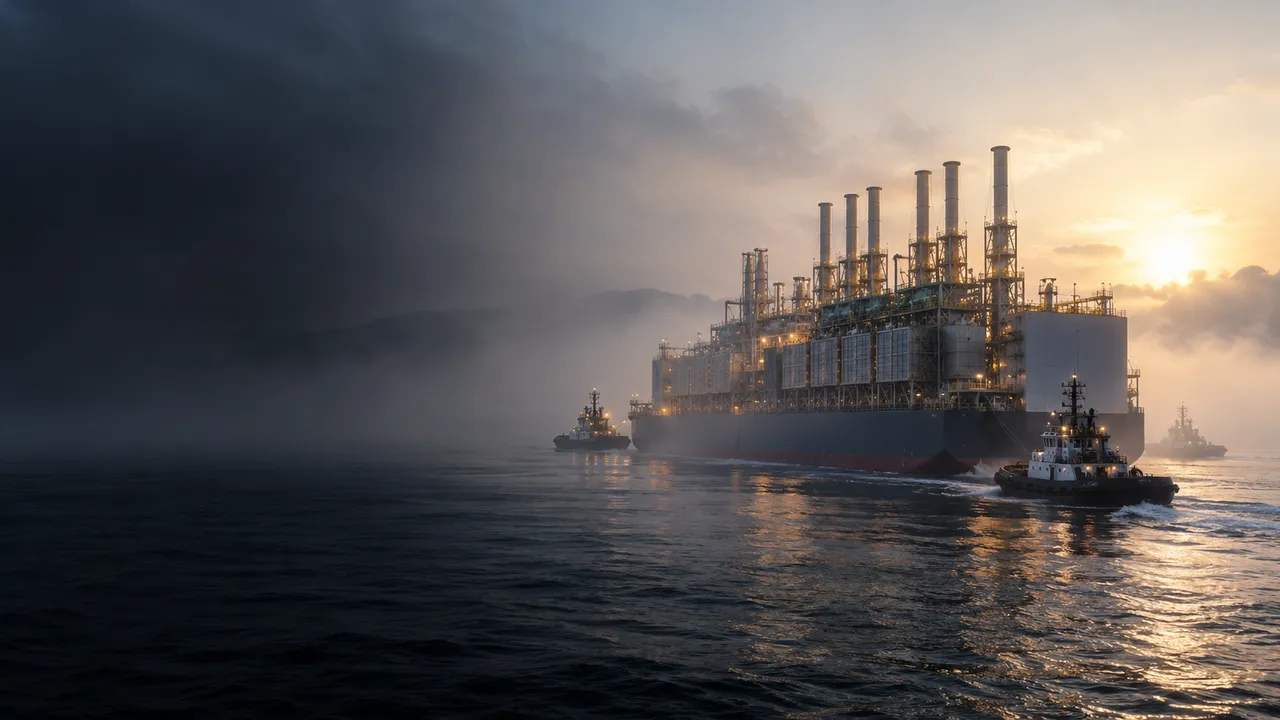
Promotional film: international transport and heavy haulage
International transport, heavy haulage · 11 December 2025
Your marketing team is in Düsseldorf, the plant is in Gebze. You do not need to book flights to get a film you are happy with. You need a clear brief, the right checkpoints and one person who can decide.
Most of what decides a film’s quality happens before and after the shooting day: the brief, the plan, the edit. Those stages work perfectly well over video calls and shared documents. The shooting day itself needs a capable crew and someone on site who knows the location. Your role is to set the direction and approve at the right moments.
Write who the film is for, where it will be shown, the one message that matters most, and any brand or legal rules. Add two or three films you like and say why. This page becomes the reference for every decision afterwards.
For an interview-led film, approve the questions and the list of speakers. For a scripted film, approve the script. For a process film (a production line, a logistics operation), approve a shot list: which areas, which steps, which details. Changes are cheap at this stage and expensive later.
Name one person at the location who can open doors, adjust the schedule and make small decisions. Agree in advance what they may decide alone and what needs your approval.
A short call at the start of the shoot, or a few frames sent from the camera, lets you confirm the look before the crew commits to it. Many clients also like a brief check at midday. You do not need to watch the whole day; you need to catch problems early.
The first edit is where most feedback belongs. Review it on a platform that lets you leave time-coded comments, collect feedback from your colleagues in one place, and send one consolidated list. Contradictory comments from several people are the main reason edits take longer than planned.
Approve the final cut, then the versions: short cut, vertical formats, subtitles, other languages. Ask for the files in the formats your channels need, and agree whether raw footage is included.
Turkey is one hour ahead of Central European time in summer and two hours in winter, so working hours overlap well. If your team works in German or English, check that your contact can handle the brief and feedback in that language. Through our sister agency in Germany we can also meet clients there when needed.
Want to see how this works in practice? Look at the Coli Group and Martrade projects, then tell us about yours.
Promotional film: international transport and heavy haulage
International transport, heavy haulage · 11 December 2025
Promotional films, ground and aerial filming
Heavy lift and project cargo · 23 September 2024
Corporate promotional film, Great Place to Work film and SEE Football Cup 2026 documentary
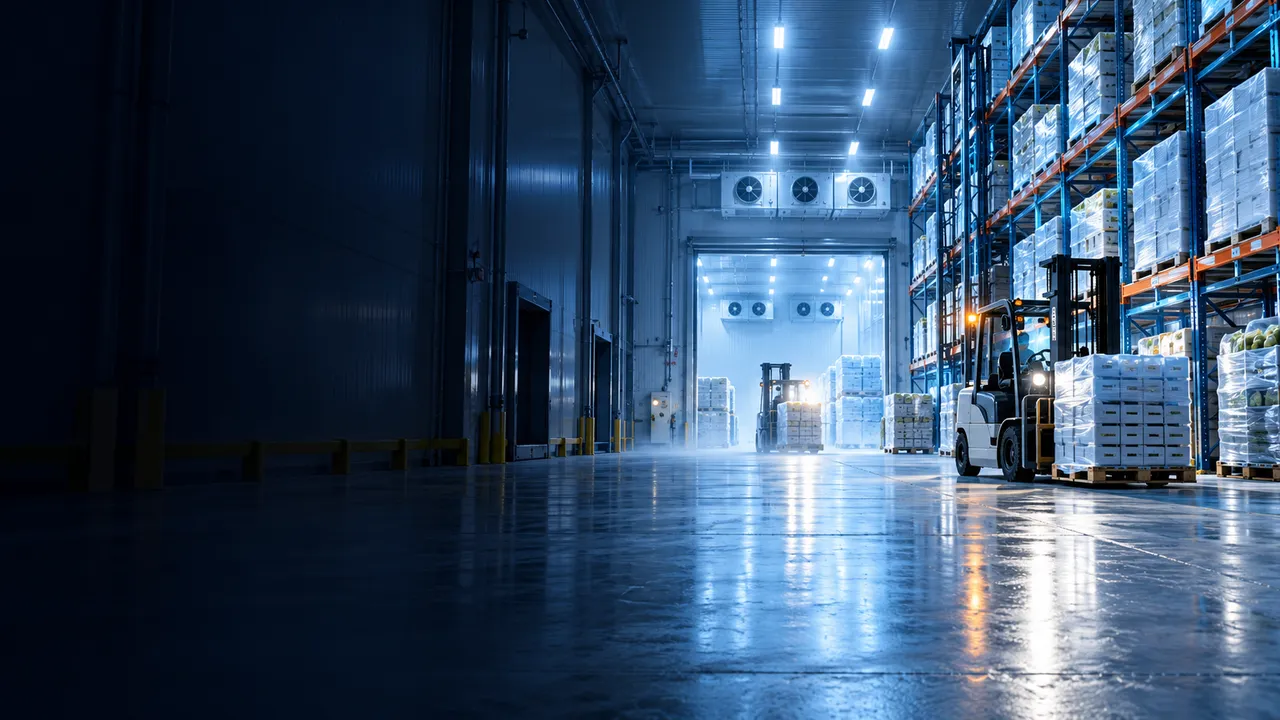
Cold-chain logistics · 23 September 2024
Send us your brief, locations and dates. We will reply with what is involved and an itemised quote.