
Corporate and promotional films
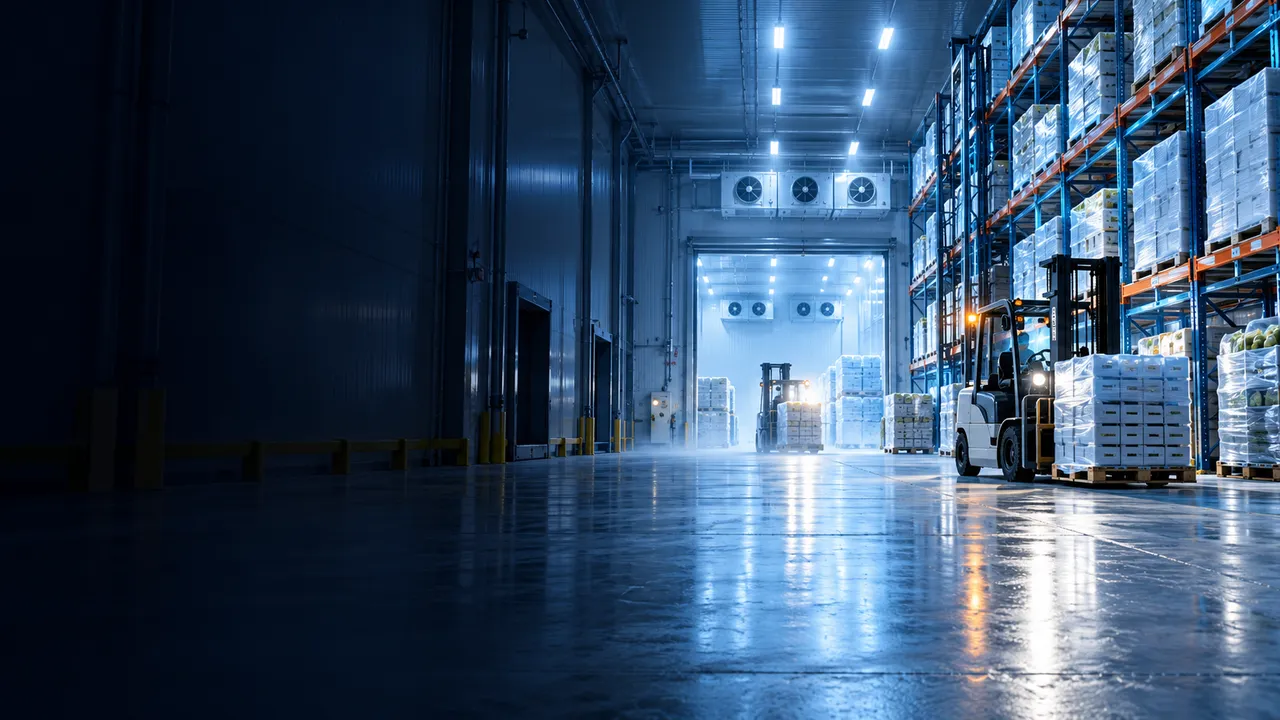
HAVI Logistics
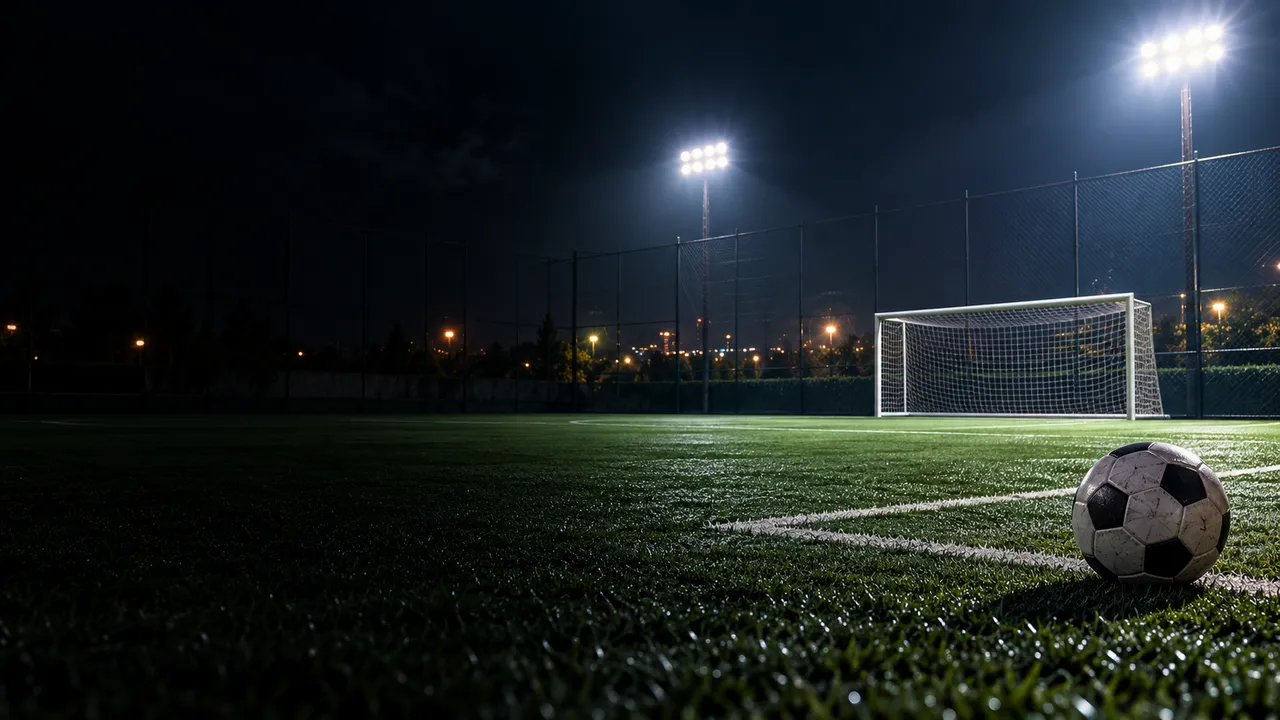
Corporate promotional film, Great Place to Work film and SEE Football Cup 2026 documentary
Cold-chain logistics · 23 September 2024
In Gebze and Kocaeli we handle editing, colour grading, sound design and motion graphics in the same team. As well as our own shoots, we turn footage you shot yourself or that sits in your archive into films and social media versions ready to publish.
A selection of work where we provided this service. Each project page shows the work done and, where available, the film or site.
Corporate and promotional films
Corporate promotional film, Great Place to Work film and SEE Football Cup 2026 documentary
Cold-chain logistics · 23 September 2024
The shoot produces the film’s raw material; the film the viewer sees takes shape in post-production. At this stage footage is selected and ordered, colour and sound are worked on, and on-screen text and graphics are added. The scope isn’t the same for every job: one needs only editing, another wants colour, sound and multilingual versions together.
The edit decides what the film says. We start by watching all the footage and marking usable shots. Then we build a flow based on the film’s purpose and choose the lines from the interviews that carry the story. The music is chosen at this stage, and cuts are placed to its rhythm. The first cut is where the flow and length are approved. Colour and sound work is finished after that approval, so effort goes into an approved edit rather than scenes that are likely to change.
Even footage shot on the same day looks different under different light. When fluorescent light in the production hall, daylight outside and drone footage sit side by side, the difference stands out. Colour grading first removes these differences, then sets the film’s overall look to match the brand. On the sound side, machine and ambient noise in interviews is reduced and speech is made clear. Music, effects and voice-over are balanced so they do not drown each other out, and the level is set for where the film will be shown (web, social media, trade fair screen, hall).
A horizontal main film can’t be used as is on a vertical screen. For social media, the framing is rebuilt in 9:16 and 1:1 versions, on-screen text is adjusted for viewing with the sound off, and the first seconds open straight into the subject. Subtitled and voiced versions are prepared for your customers abroad. Each version is delivered at the resolution, frame rate and file format the platform requires. For the shooting stage, see our corporate promotional film page.
Not every project has to start with a new shoot. Footage your team shot on a phone or their own camera, trade-fair and event recordings from past years, or the raw files of old promotional films can all become material for a new film. In these cases we first review the footage and decide together which parts are usable and whether a short additional shoot is needed for missing scenes. When building a film from archive material, the rights of the people on screen and of the music used are checked separately.
The main film, the short versions and the language versions are delivered as separate files, named by where they will be used. Archiving of project files and footage is discussed separately as part of the scope. With an archive, the film can be updated when a new product, line or year is added, without re-editing from scratch.
The first cut and final cut go to you for approval; the number of revision rounds is stated in the quote.
Practical articles to help you prepare.
What is post-production? Offline and online editing, colour correction, sound mixing, graphics, subtitles, delivery formats and managing revision rounds, all in this guide.
Look one by one at the items that set a promotional film budget: shoot days, crew, equipment, drone, voice-over, music licence, editing, versions and usage rights.
Yes. We review footage you shot with a phone or camera and identify the parts that can be used. Because resolution and light directly affect the result, we recommend a short extra shoot if some scenes are missing or weak.
If you have the project files or raw footage, the film can be re-edited with new scenes, an updated logo and current information. If you only have the final film file, we’ll confirm which changes are possible once we’ve seen it.
Usually not; the vertical version is made by reframing the horizontal footage. If the vertical version is planned from the start, suitable framings are also captured during the shoot and the result is easier.
Licensed music and voice-over can be included in the scope; which channels the licence covers is set at the quote stage. If you have your own music or voice-over, we’ll work with that too.
Both are possible. For social media, subtitles are usually burned into the image; for YouTube and the website, a separate subtitle file that can be switched on and off is also prepared.
Tell us where your footage comes from, where the film will be used and your target date, and we’ll come back with a proposed scope.