Factory and industrial filming: safety and planning
A production floor is not a film set. It runs on shifts, safety rules and deadlines that do not stop for a camera. Planning the shoot around that, not the other way round, is what makes industrial filming work.
Start with the site’s safety team
Every plant has its own rules, and the crew must follow them like any visitor. Before the shoot, agree with the health and safety team: the protective equipment the crew needs, the safety induction, the routes they may use, areas that are off limits and who accompanies them. Footage that shows people without the right equipment cannot be used anyway, so this protects the film as well as the people.
Plan around shifts and production
Ask which processes run when. Some steps only happen at the start of a shift, some machines run only on certain days, and some areas are calm only during breaks. A shot list matched to the production schedule avoids waiting and avoids asking operators to stop work.
Confidential areas and products
Customers’ products, prototypes, screens and documents often must not appear. Agree in advance which areas, labels and displays are confidential, and review the rough cut with that list in mind.
People on camera
Operators are not actors. Short, natural moments of real work usually look better than staged scenes. For interviews, choose a quieter room close to the action, prepare questions in advance and allow time. Make sure everyone who appears has given consent.
Noise, light and dust
Production halls are loud, so interviews need proper microphones or a separate quiet location. Lighting is often mixed: daylight, fluorescent and LED in one shot. Dust, heat or humidity can affect equipment. A crew that has filmed in plants before will plan for this.
Drones and special shots
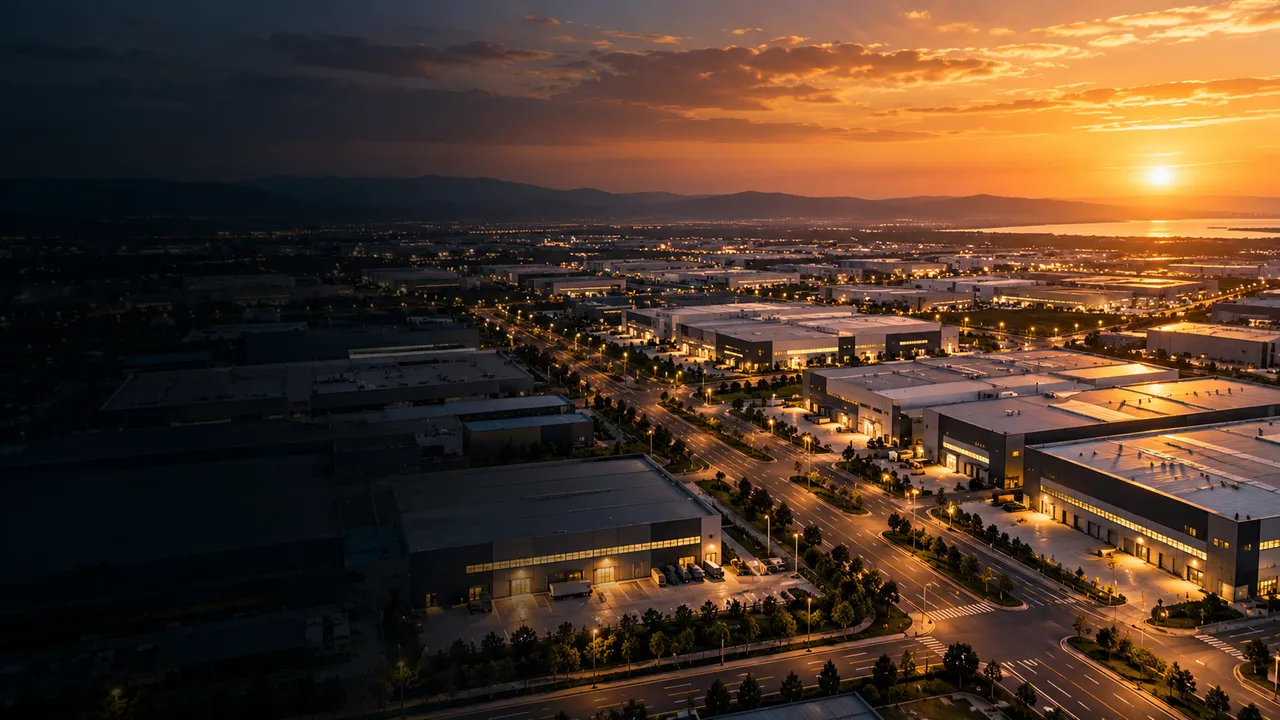
Aerial shots of the site and indoor FPV flights through a hall can show scale and flow in a way ground shots cannot. Both need planning with the site and, outdoors, the relevant permissions. See drone filming rules in Turkey.
What to film, beyond the machines
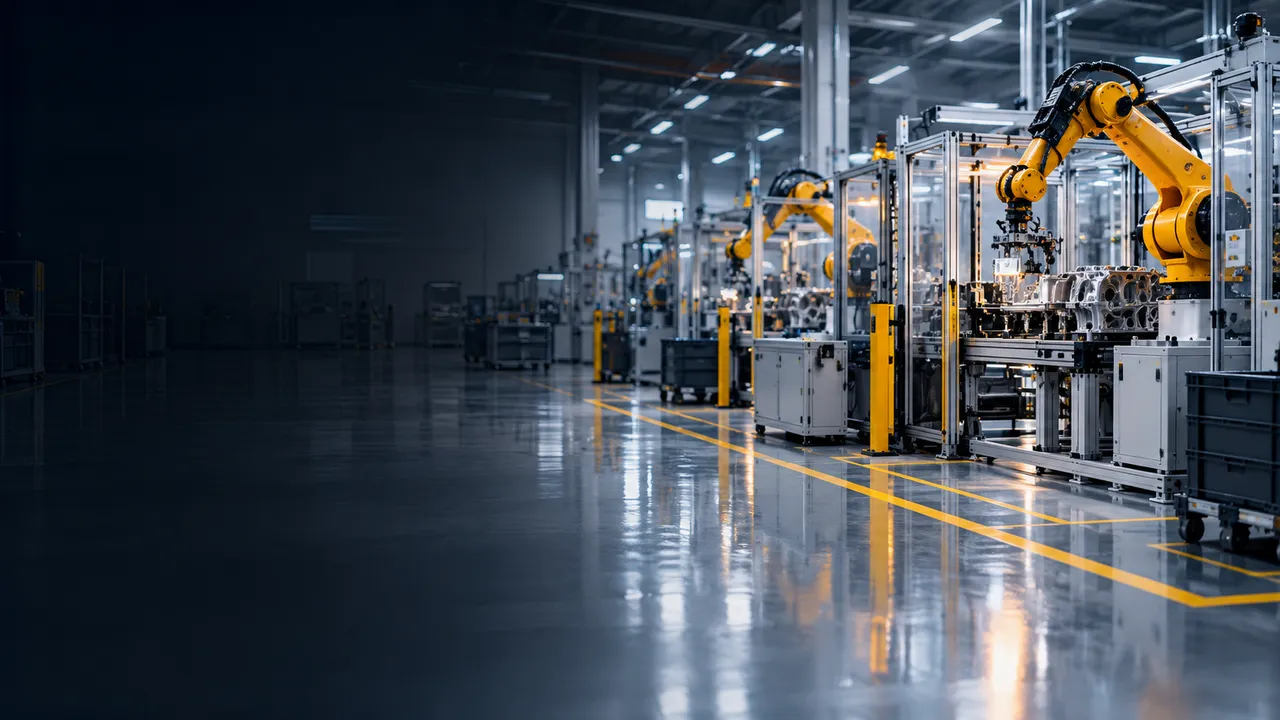
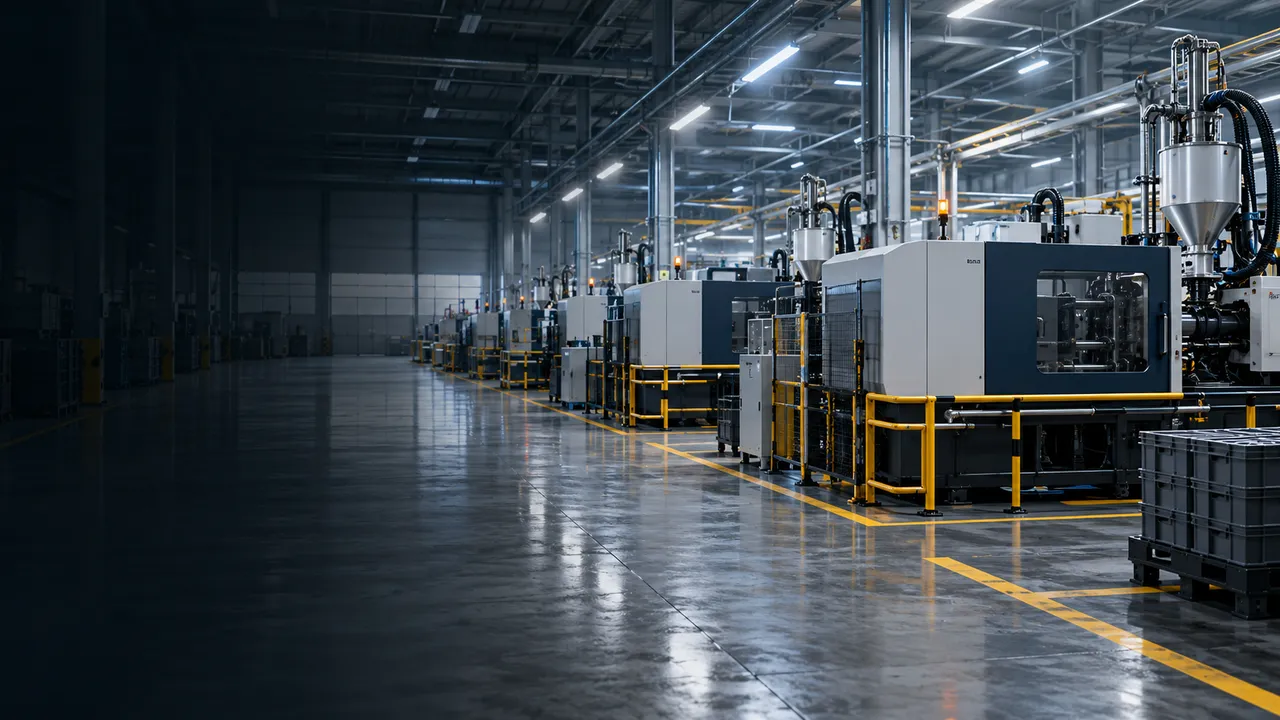
- The flow from raw material to shipped product.
- Quality checks and safety practices.
- The people: skills, training, teamwork.
- The scale: warehouse, logistics, the site from above.
- Details that only your company has: a method, a tool, a certification.
A simple timeline for the shoot
- Two to four weeks before: brief, shot list and a site visit or video walk-through. Agree confidential areas and who accompanies the crew.
- One week before: confirm the schedule with production planning, send the crew list to security, and check protective equipment sizes. If aerial shots are planned, confirm permissions.
- The day before: a short call to confirm which lines are running, which interviews are confirmed and the weather for outdoor shots.
- On the day: safety induction first, then the planned order of shots. Leave buffer time: a line stop or a delayed delivery is normal in a working plant.
- After the shoot: rough cut review with the site contact, who can spot confidential details and technical errors a marketing team may miss.
Common mistakes we see
- Cleaning the hall until it no longer looks real. Tidy is good; sterile looks staged. A working plant should look like it works.
- Too many managers, too few operators. Viewers trust the people who do the work. One or two short operator moments often say more than a long management interview.
- Forgetting sound. A great image with an unusable interview means a reshoot. Plan a quiet room or schedule interviews during breaks.
- Approving the script without the safety team. If a planned shot breaks a site rule, it will be stopped on the day. Show the shot list to safety early.
- Not planning for languages. If the film will be shown abroad, decide early whether you need subtitles, a voice-over or on-screen text in other languages, and keep text in the image to a minimum so versions are easy to make.
Uses beyond the main film
The same footage can become a recruitment video, a safety induction, trade fair loops, short clips for LinkedIn and photos for your website. Plan these uses before the shoot so the crew captures what each one needs.
We have filmed production lines, warehouses, industrial zones and ports for manufacturers and logistics groups. See our factory video page and the Autoliv Türkiye project.
Related projects


Gebze Güzeller OSB
Facility and infrastructure promotional film in three languages
Organised industrial zone · 24 November 2021
Have a project in Turkey?
Send us your brief, locations and dates. We will reply with what is involved and an itemised quote.