
Martrade Group
Promotional films, ground and aerial filming
Heavy lift and project cargo · 23 September 2024
Aerial footage of a plant, port or construction site is one of the most effective shots in a corporate film. In Turkey it is also regulated. Here is what to expect, and why it is usually easiest to let a local licensed team handle it.
This is a general overview, not legal advice. Rules are updated from time to time and depend on the exact location, so always confirm the current position for your project.
Unmanned aircraft are regulated by the Directorate General of Civil Aviation (SHGM). The rules cover registering the aircraft, the qualifications of the pilot, where and how high you may fly, and how flights are notified or approved. In recent years the licence classes for pilots have been revised and flight notification has been moving to a central unmanned traffic management system.
Areas around airports, military and security-sensitive sites, and large parts of the Bosphorus in Istanbul are restricted or need additional permission. Ports and some organised industrial zones have their own procedures. Approvals can take time, so drone work should be planned early, not added on the day.
Foreign teams sometimes want to bring their own drone. Depending on the equipment, importing it may need prior technical approval, and a foreign pilot may not be able to fly commercially without the relevant Turkish qualification. Larger foreign productions may also need a filming permit from the Ministry of Culture and Tourism. In practice, most companies find it simpler to commission a local licensed team.
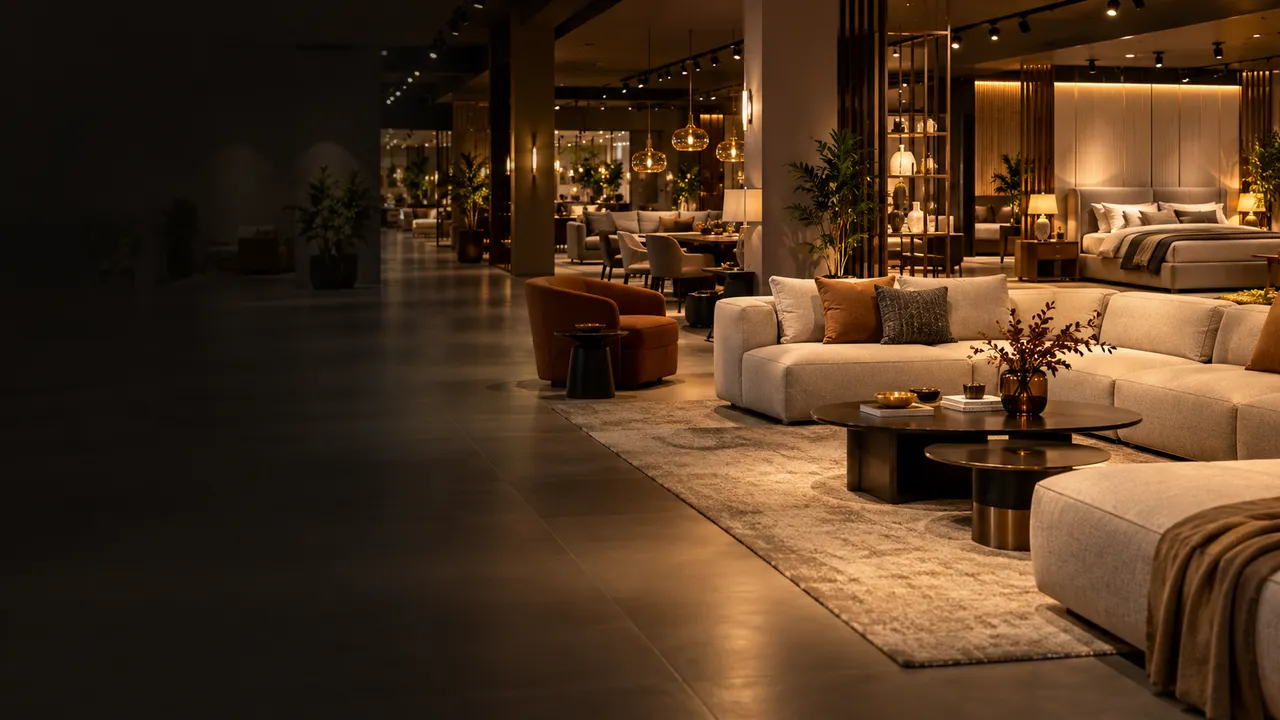
Flights inside a building are not about airspace but about safety. Small FPV drones can fly through a showroom, warehouse or production hall in one continuous shot, as we did for Bellona Piranlar. They need careful planning with the site: routes, people in the area, machinery and a safety briefing.
Wind, rain and poor visibility can ground a drone. Coastal sites and ports are often windy. A good plan includes a backup day or a flexible window for the aerial shots.
Aerial shots often capture more than intended: neighbouring buildings, car number plates, people who did not expect to be filmed. Plan the framing with this in mind and agree which areas are off limits. On industrial sites, the same confidentiality rules that apply on the ground also apply from the air. Logos of customers on trucks or containers, for example, may need to be avoided or blurred in the edit.
For a simple outdoor flight over your own site, in uncontrolled airspace and with the operator’s consent, preparation can be short. For locations near airports, coastal areas of Istanbul or sensitive facilities, allow more time for applications and coordination. We do not give fixed timelines without knowing the location, because they depend on it. The practical advice is simple: mention aerial shots at the very first conversation, not a week before the shoot.
Aerial footage is usually delivered as part of the edited film. If you also want the raw clips, for example to reuse on your website or at trade fairs, say so at the start: they are typically recorded in 4K and, where the shot calls for it, at higher frame rates for smooth slow motion. Agree on file formats, colour treatment and whether a licensed music track is needed for any short social cut.
When we film from the air, we plan the flight, check the location’s airspace status, handle notifications and permissions where needed, and coordinate with the site’s safety team. You tell us what you want to show; we tell you what is possible at that location and what it involves. More on our drone filming page.
Promotional films, ground and aerial filming
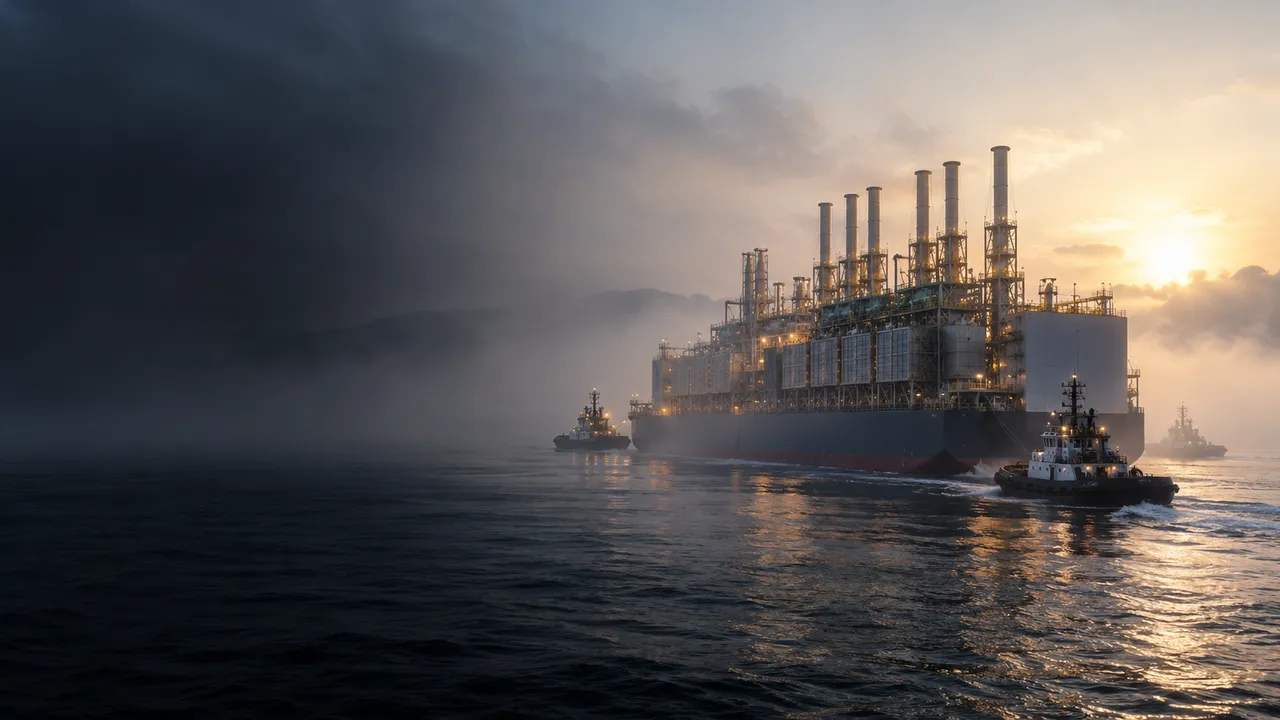
Heavy lift and project cargo · 23 September 2024
Commercials, ground and drone filming
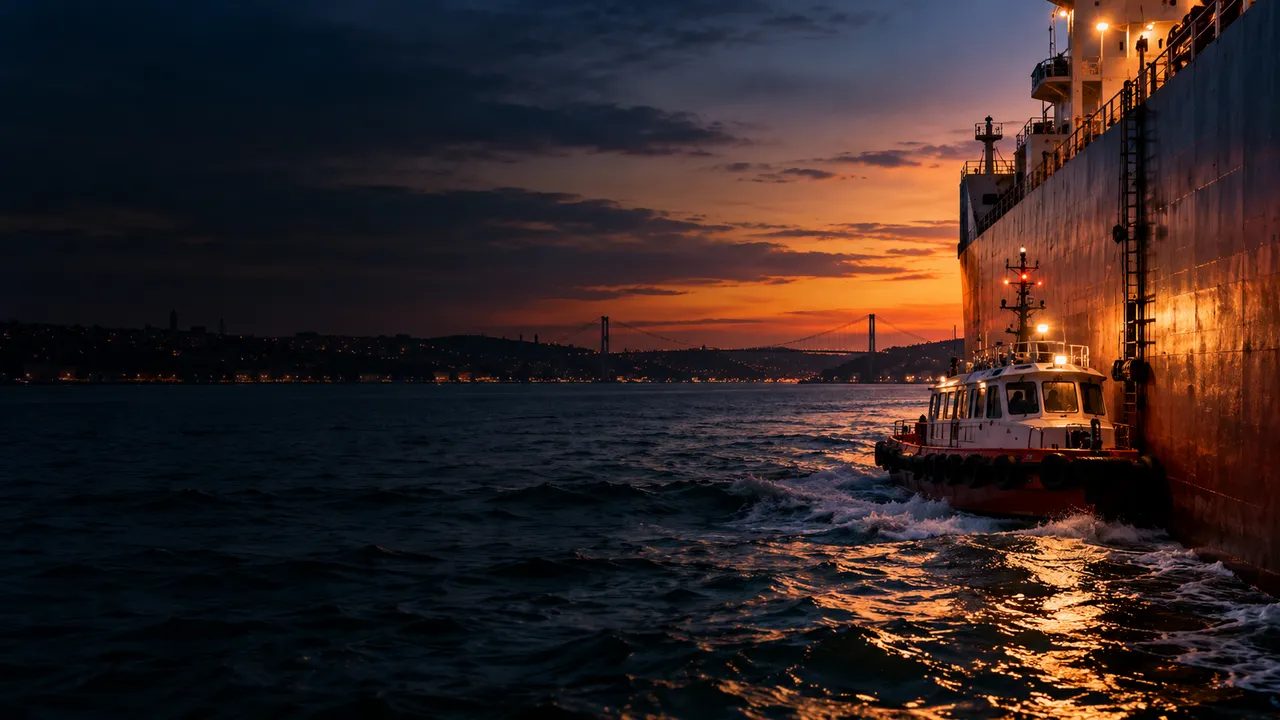
Pilotage, maritime safety · 4 December 2019
Commercial with a DJI Avata, showroom and store shoot
Retail, furniture · 9 January 2024
Send us your brief, locations and dates. We will reply with what is involved and an itemised quote.